






Das grosse Feuer

Opera by Beat Furrer (*1954) after the novel «Eisejuaz» by Sara Gallardo
Libretto by Thomas Stangl
Commissioned by the Opernhaus Zürich, World Premiere

From 23. March 2025 until 11. April 2025

  • Language:
    In German and Spanish with German and English surtitles.
  • More information:
    Introduction 45 min before the performance.
    Introductory matinee on 9 Mar 2025.

Musical Director:
Beat Furrer

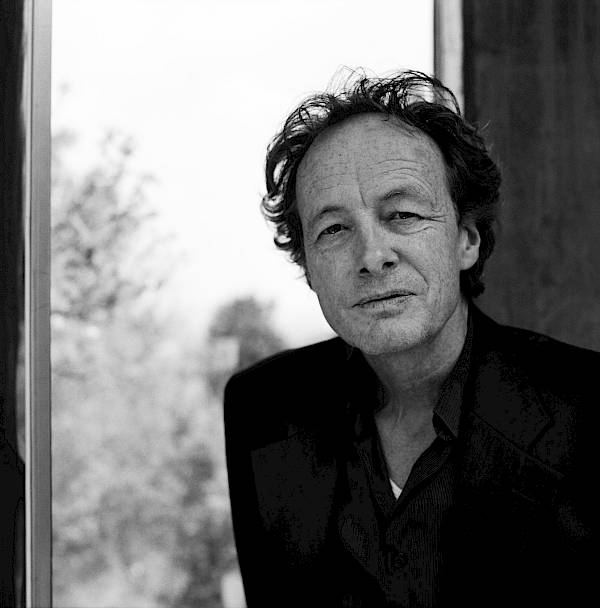
Beat Furrer

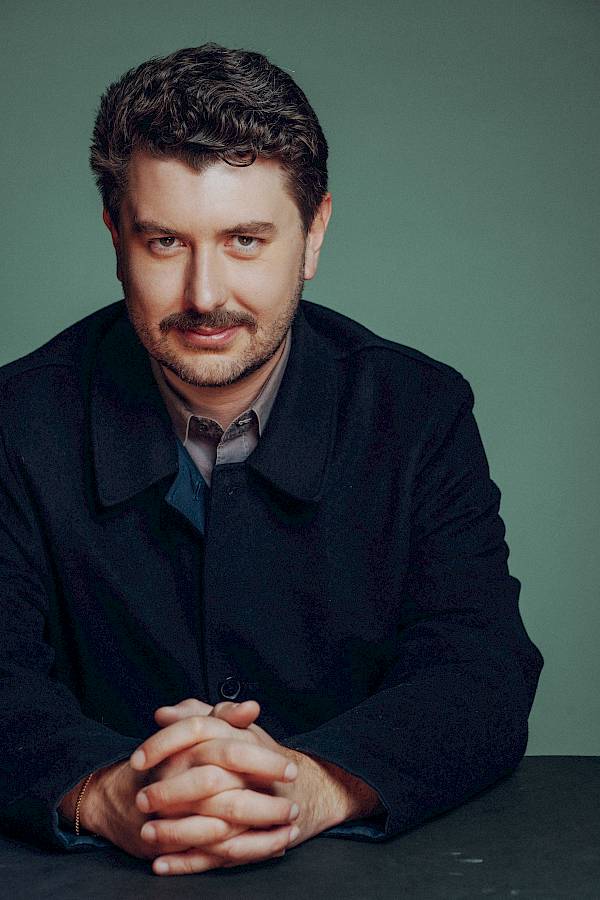
Der Komponist und Dirigent Beat Furrer wurde 1954 in Schaffhausen geboren. Ab 1975 studierte er in Wien Dirigieren bei Otmar Suitner sowie Komposition bei Roman Haubenstock-Ramati. 1985 gründete er das Klangforum Wien, das er bis 1992 leitete und dem er seitdem als Dirigent verbunden ist. Im Auftrag der Wiener Staatsoper schrieb er seine erste Oper Die Blinden; seine zweite Oper Narcissus wurde 1994 beim «steirischen herbst» an der Oper Graz uraufgeführt. 1996 war er «Composer in Residence» bei den Musikfestwochen Luzern. 2001 wurde das Musiktheater Begehren in Graz uraufgeführt, 2003 die Oper invocation in Zürich und 2005 das vielfach ausgezeichnete und gespielte Hörtheater FAMA in Donaueschingen. Seit 1991 ist Furrer Professor für Komposition in Graz. Ende der 90er-Jahre hat er gemeinsam mit Ernst Kovacic «impuls» als internationale Ensemble- und Komponist:innenakademie für zeitgenössische Musik in Graz gegründet. 2006 bis 2009 hatte er eine Gastprofessur für Komposition in Frankfurt inne. 2004 erhielt er den Musikpreis der Stadt Wien und ist seit 2005 Mitglied der Akademie der Künste in Berlin. 2006 wurde er für FAMA mit dem Goldenen Löwen bei der Biennale Venedig ausgezeichnet; 2010 erfolgte die Uraufführung des Musiktheaters Wüstenbuch am Theater Basel. 2014 erhielt er den grossen österreichischen Staatspreis und 2018 den Ernst-von-Siemens Musikpreis für «Ein Leben im Dienste der Musik». Seine Oper La Bianca Notte nach Texten von Dino Campana wurde im Mai 2015 in Hamburg uraufgeführt. Im Januar 2019 kam es an der Staatsoper Unter den Linden in Berlin zur Uraufführung seiner Oper Violetter Schnee.

Production:
Tatjana Gürbaca

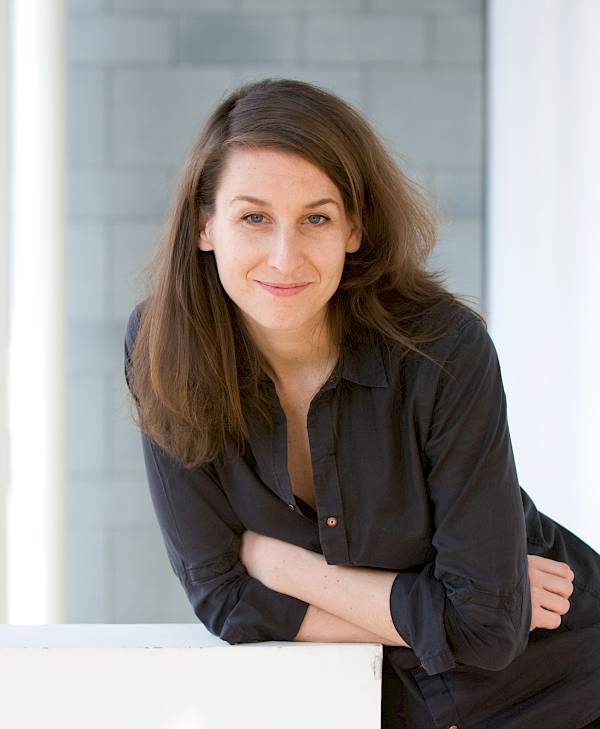
Tatjana Gürbaca

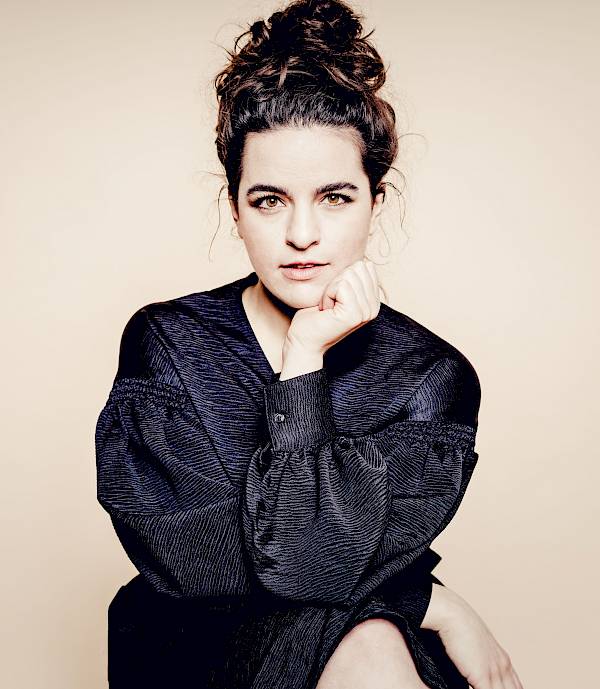
Tatjana Gürbaca studied directing at the Hanns Eisler School of Music in her hometown of Berlin and complemented her training with masterclasses, especially with Ruth Berghaus. At the international Ring Award Graz she was one of the finalists. The spectrum of her productions ranges from the Baroque (Purcell’s "Dido and Aeneas" in Baden-Baden) to contemporary music theatre such as Dallapiccola’s "Il prigioniero" (Volksoper Vienna) or Philippe Hersant’s "Le moine noir" (world premiere at Oper Leipzig). She also directed a Tchaikovsky cycle at the Vlaamse Opera Antwerp. Further engagements have taken her to the Staatsoper Unter den Linden and the Deutsche Oper Berlin, Oper Graz, Stadttheater Bern, the opera houses of Novosibirsk and Oslo, as well as the Lucerne Festival. From 2011 to 2014 she was Opera Director at Staatstheater Mainz, where she staged, among others, "Die verkaufte Braut", Salvatore Sciarrino’s "Macbeth", "Un ballo in maschera" and Alessandro Scarlatti’s "Il primo omicidio". In 2013 she was named "Director of the Year" by the magazine Opernwelt for her "Parsifal" at the Vlaamse Opera Antwerp. She created a three-part "Ring" project and "Alcina" at Theater an der Wien, "Lohengrin" and "Der Freischütz" in Essen, Korngold’s "Die tote Stadt" at Oper Cologne, "Das schlaue Füchslein" at Theater Bremen, "Così fan tutte" at the National Theatre in Prague, "Káťa Kabanová" at the Deutsche Oper am Rhein, "Jenůfa" at the Grand Théâtre de Genève and "Ulisse" at Oper Frankfurt. In Zurich she has directed, among others, "Rigoletto", "Die Zauberflöte", "Werther", "Le Grand Macabre", "Lucia di Lammermoor" and in 2025 the world premiere of Beat Furrer’s "Das grosse Feuer".

Rigoletto20 / 23 / 27 Dec 2025 / 1 / 4 Jan 2026 Werther14 / 19 Jun / 1 / 4 / 10 Jul 2026
Set Design:
Henrik Ahr

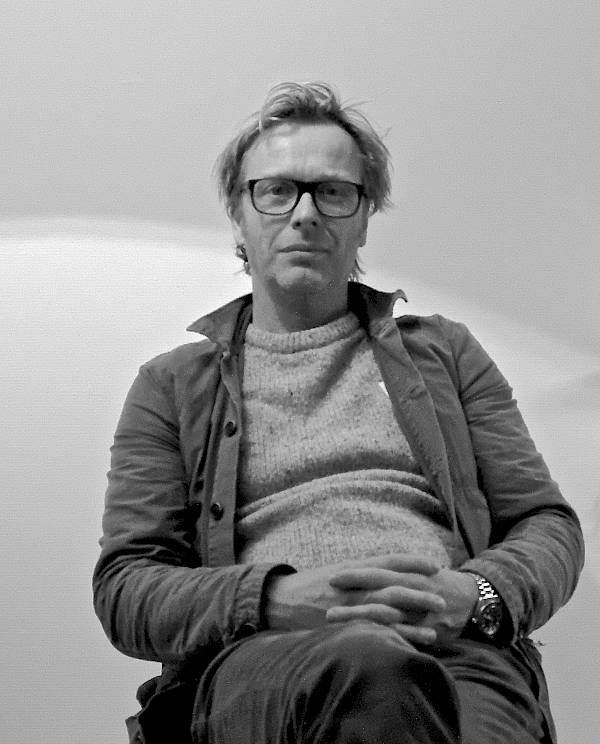
Henrik Ahr

Henrik Ahr, born in Bensberg, worked as a freelance artist after training as a chef and studied architecture in Leipzig from 1995 to 2001. He designed his first stage sets in 2000 for the Neue Szene in Leipzig and in 2001 at the Theaterhaus Jena for Palahniuk’s "Fight Club" Since 2005, he has lived and worked as a set designer and painter in Vienna. Since autumn 2010, he has also held the professorship for stage design at the Mozarteum in Salzburg. Arthur Schnitzler’s "Liebelei" in 2002 at the Thalia Theater Hamburg, directed by Michael Thalheimer, was invited to the Berliner Theatertreffen. With Thalheimer, he realised further projects, including Brecht’s "Herr Puntila und sein Knecht Matti" in Hamburg, Schubert’s "Winterreise" at the Deutsches Theater Berlin and "Rigoletto" at the Theater Basel. He worked with Christof Loy for the first time in 2008 at the Theater an der Wien (Richard Strauss’ "Intermezzo"), followed – also with Loy – by "Lucrezia Borgia" at the Bavarian State Opera and Paul Claudel’s "Der Tausch" at the Schauspielhaus Zürich. At the Deutsches Theater Berlin, he designed the sets for Hauptmann’s "Einsame Menschen" and Schnitzler’s "Der einsame Weg". He has a long-standing artistic collaboration with Tatjana Gürbaca. Together they have created, among other works, "Arabella" at the Deutsche Oper am Rhein, Wagner’s "Parsifal" at the Vlaamse Oper Antwerpen, Hasse’s "Leucippo" at the Schwetzingen Festival and at Cologne Opera, "La traviata" at Oslo Opera, "The Ring Trilogy" and "Capriccio" at the Theater an der Wien, "Parsifal" in Antwerp and "Le Grand Macabre" in Zurich, where he also designed the sets for "Die Schatzinsel", "Fidelio" and "I puritani".

Fidelio3 / 6 / 10 / 14 / 16 May 2026
Costumes:
Silke Willrett

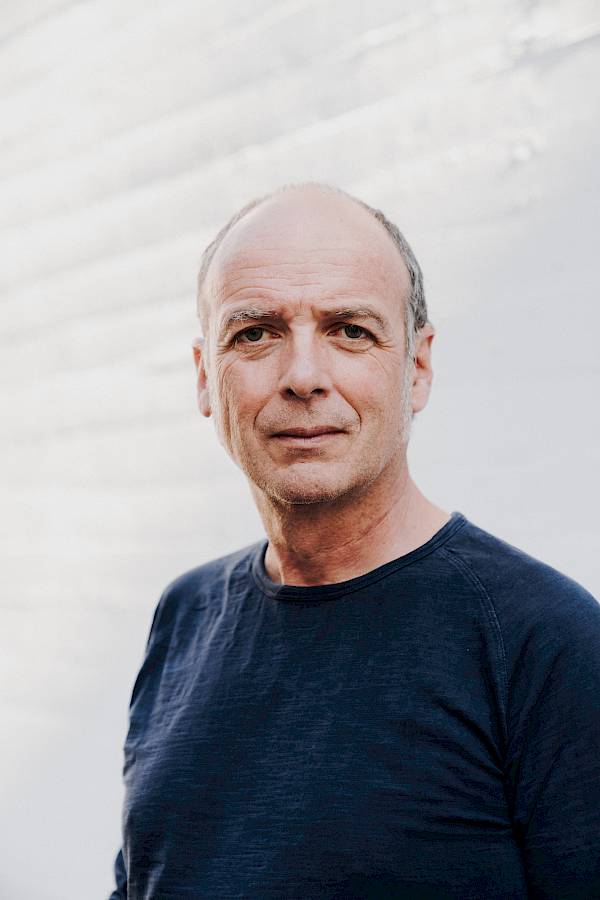
Silke Willrett

Silke Willrett studied stage and costume design with Jürgen Rose and art history in Stuttgart. In 1999 she completed her state examination in art history. In 2003 she founded the independent theatre group "Fliegen ab Stuttgart" together with Tanja Richter and Marc Weeger, which received the Baden-Württemberg Theatre Prize in the same year. Together with Marc Weeger, she was nominated several times by Die Deutsche Bühne and Opernwelt as "Best Stage and Costume Designer". Silke Willrett also works as a set and costume designer for film productions. The film "Das Mass der Dinge" was nominated for the "First Steps Award" in 2005 and by the Academy of Motion Picture Arts and Sciences in 2006. Her artistic partners include Andrea Breth, Christof Nel as well as Monique Wagemakers and Jan Essinger. Together with Tatjana Gürbaca she created, among others, "Le Grand Macabre", "Don Giovanni" and "L’incoronazione di Poppea" (Theater Bremen), "Werther" and "Manon" (Staatstheater Mainz), "Der fliegende Holländer" (Deutsche Oper Berlin), "Mazeppa", "Eugene Onegin" and "The Enchantress" (Vlaamse Opera Antwerp), "Salome" (Deutsche Oper am Rhein), "Rigoletto", "Aida", "Die Zauberflöte", "Werther" and "Lucia di Lammermoor" (Opernhaus Zürich), "Ulisse" and "La Juive" (Oper Frankfurt) as well as "Il primo omicidio" (Teatro Arriaga Bilbao). She has served on several juries for scholarships and awards, including from 2021 to 2024 for the FAUST Prize. She is a member of the scenography association and of the German Academy of the Performing Arts. As a visual artist, she is a member of the group "Linienscharen", which presents annual exhibitions throughout the region.

Rigoletto20 / 23 / 27 Dec 2025 / 1 / 4 Jan 2026 Werther14 / 19 Jun / 1 / 4 / 10 Jul 2026
Lighting Design:
Stefan Bolliger

Stefan Bolliger

Stefan Bolliger stammt aus Zürich und war einige Jahre freiberuflich als Lichttechniker tätig, bevor er 1995 als Beleuchter ans Hamburger Thalia Theater verpflichtet wurde. Von 1997 bis 2006 war er dort Stellvertretender Leiter der Beleuchtung. Anschliessend war er von 2006 bis 2010 als Leiter der Beleuchtung und Lichtgestalter am Schauspiel des Staatstheaters Stuttgart engagiert. Seither ist Stefan Bolliger freischaffend als Lichtgestalter tätig. Er arbeitete an der Bayerischen Staatsoper in München, am Theater an der Wien, den Salzburger Festspielen, der Deutschen Oper Berlin, der Staatsoper Hamburg, der Semperoper Dresden, am Theater Basel, der Vlaamse Opera in Antwerpen, am New National Theatre in Tokyo, der Norske Opera in Oslo, der Staatsoper Berlin, der Deutschen Oper am Rhein in Düsseldorf, der lettischen Nationaloper in Riga, der Oper Wuppertal und der Oper Graz. An der Bayerischen Staatsoper in München gestaltete er ua. das Licht für Der Ring des Nibelungen. Le Grand Macabre ist seine erste Arbeit am Opernhaus Zürich.

Chorus Master:
Cordula Bürgi

Cordula Bürgi

Cordula Bürgi, geboren und aufgewachsen in der Schweiz, studierte an der Musikhochschule Luzern Violine und an der Musik-Akademie Basel Dirigieren und Gesang. Seit ihrer Kindheit spielte sie in diversen Jugendorchestern und kammermusikalischen Formationen und entdeckte schon früh ihre Begeisterung für Alte und Neue Musik. 2008 übernahm sie die musikalische Gesamtleitung der Mädchenkantorei Basel. Nach kontinuierlicher Aufbauarbeit mit den verschiedenen Chorstufen betreute sie zahlreiche Konzerte und Theaterproduktionen am Theater Basel. Darüber hinaus wurde sie für eine Vielzahl weiterer Einstudierungen eingeladen, darunter Produktionen an der Staatsoper Unter den Linden in Berlin (Beat Furrers Violetter Schnee), der Oper Graz und beim SWR Vokalensemble. 2014 übersiedelte sie nach Wien und gründete dort zwei Jahre später das Ensemble für Alte und Neue Musik «Cantando Admont». Dieses Ensemble, bestehend aus hervorragenden Vokalsolist:innen, konnte sich mit Cordula Bürgi als Künstlerischer Leiterin innerhalb weniger Jahre im europäischen Musikleben etablieren und trat bei renommierten Festivals wie den Salzburger und den Bayreuther Festspielen, der Münchener Biennale, den Klangspuren Schwaz, dem Musikfestival Bern, den Gustav Mahler Musikwochen in Toblach, bei Wien Modern und ZeitRäume Basel auf sowie in Konzert- und Opernhäusern, etwa der Deutschen Oper Berlin oder dem Teatro Colón in Buenos Aires.
Aktuelle und zukünftige Projekte beinhalten u.a. Konzerte mit dem Concertgebouw-Orchester in Amsterdam, beim Festival ACHT BRÜCKEN | Musik für Köln, am Konzerthaus Dortmund und am Teatro Thalia in Lissabon.

Dramaturgy:
Claus Spahn

Claus Spahn

Claus Spahn was chief dramaturge at the Zurich Opera House during Andreas Homoki’s tenure as artistic director. There, he supervised music theater projects by Wolfgang Rihm, Helmut Lachenmann, George Benjamin, Roman Haubenstock-Ramati, and world premieres by Heinz Holliger, Christian Jost, and Stefan Wirth. As a production dramaturge, he worked with directors such as Sebastian Baumgarten, Herbert Fritsch, Jan Philipp Gloger, Tatjana Gürbaca, Andreas Homoki, Barrie Kosky, Nadja Loschky, David Marton, and Evgeni Titov. He also shares a close artistic partnership with the choreographer and former director of Zurich Ballet, Christian Spuck. For him, Spahn was involved in the development of the productions “Anna Karenina,” “Nussknacker und Mausekönig,” and “Monteverdi” in Zurich, he also wrote libretti for the ballets “Orlando” based on Virginia Woolf (world premiere in 2021 at the Moscow Bolshoi Ballet) and “Bovary” based on Gustave Flaubert (world premiere in 2023 at the Berlin State Ballet). Additionally, he is the librettist of the chamber opera “The Dream of You” by Swiss composer Xavier Dayer, which premiered in 2017 at the Zurich Opera House. Before joining the Zurich Opera House, Claus Spahn was the arts editor for 14 years at the German weekly newspaper DIE ZEIT, where he was responsible for the music section. From 1990 to 1997, he worked as a freelance music journalist mainly for the Süddeutsche Zeitung and Bavarian Broadcasting. Claus Spahn was born in Germany, studied classical guitar in Freiburg im Breisgau, and completed training at the German School of Journalism in Munich.

Rigoletto20 / 23 / 27 Dec 2025 / 1 / 4 Jan 2026 Le nozze di Figaro24 / 29 Jan / 1 / 5 / 7 / 10 / 14 Feb 2026 / 2 / 6 / 8 / 15 / 19 May 2027 Werther14 / 19 Jun / 1 / 4 / 10 Jul 2026 Macbeth8 / 11 / 14 / 19 / 22 / 30 Nov 2025 Messa da Requiem20 / 22 / 28 Feb / 1 / 5 / 7 Mar / 6 Apr 2026

Cast


Lisandro Vega/ Das grosse Feuer Leigh Melrose


Paqui, Vertreter Andrew Moore


Aquella Muchacham Sarah Aristidou


Vicente Aparicio/Ayo, Schamane Ruben Drole

Leigh Melrose

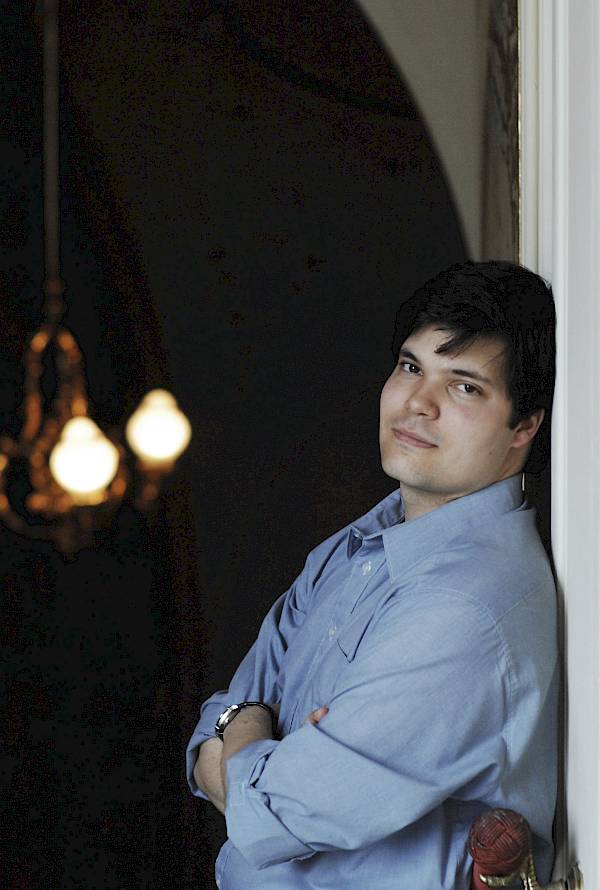
Leigh Melrose grew up in London and studied at St. John’s College in Cambridge as well as at the Royal Academy of Music in London. The focus of his work is contemporary repertoire and dramatic works of the 20th century. He has sung, among others, Wozzeck at the English National Opera and the Zurich Opera House, Oedipus at the Komische Oper Berlin, Clov in the world premiere of György Kurtág’s "Fin de Partie" and Prospero in Thomas Adès’ "The Tempest" at La Scala in Milan, Šiškov ("From the House of the Dead") at the Ruhrtriennale, as well as The Traveller ("Death in Venice"), Friedrich ("Das Liebesverbot"), Ruprecht ("The Fiery Angel") and the title role of "Nixon in China" at the Teatro Real de Madrid. In addition, he has appeared as Alberich ("Das Rheingold") at the Vienna State Opera, the Ruhrtriennale, and the English National Opera. In the 2024/25 season, he made his debut as Balstrode ("Peter Grimes") at De Nationale Opera in Amsterdam, sang the title role in Beat Furrer’s new opera "Das große Feuer" at the Zurich Opera House, and Eurymaque in Gabriel Fauré’s "Pénélope" at the Bavarian State Opera. As a concert singer, he has performed several world premieres, including Louis Andriessen’s "Theatre of the World" in Amsterdam and Los Angeles, Dai Fujikura’s "Solaris" in a co-production of the Théâtre des Champs-Élysées and the opera houses of Lille and Lausanne, as well as Elliot Carter’s "On Conversing with Paradise" at the Aldeburgh Festival. In the 25/26 season, he will be heard with the Berlin Philharmonic, at the Salzburg Easter Festival, and at the Berlin Festival.

Doctor Atomic7 / 11 / 14 / 20 / 24 / 28 Feb 2027

Andrew Moore

Andrew Moore, an American bass-baritone from New Jersey, received his training at Rutgers University (Mason Gross School of the Arts) and at the renowned Curtis Institute of Music in Philadelphia. In 2019, he reached the New England Region Finals of the Metropolitan Opera National Council Auditions, where he was awarded the Susan Eastman Encouragement Award. Further important artistic milestones included the Merola Opera Program in San Francisco as well as the Santa Fe Opera, where he appeared as an Apprentice Singer in "La bohème", "Così fan tutte", and "Jenůfa". From 2020 to 2022, he was a member of the International Opera Studio at the Zurich Opera House. He was subsequently engaged in the company ensemble, which he has belonged to since the 2022/23 season. There, he has appeared as Figaro ("Le nozze di Figaro"), Paolo Albiani ("Simon Boccanegra"), Don Fernando ("Fidelio"), De Brétigny ("Manon"), Marullo ("Rigoletto"), Paris ("Roméo et Juliette"), Marchese d’Obigny ("La traviata"), Pritschitsch ("Die lustige Witwe"), Johann ("Werther"), and Fix ("In 80 Tagen um die Welt"). His recent international engagements include his debut with the Warsaw Philharmonic as bass soloist in Beethoven’s Symphony No. 9 as well as his Salzburg debut as Marchese d’Obigny ("La traviata"). In summer 2026, he will appear at the Salzburg Festival as Johann ("Werther"). His repertoire also includes roles such as Leporello ("Don Giovanni"), Guglielmo ("Così fan tutte"), and Rocco ("Fidelio").

Manon24 / 27 Sept / 3 / 7 / 10 Oct 2025 La clemenza di Tito26 / 29 Apr / 3 / 8 / 15 / 17 / 20 / 25 May 2026 / 7 / 10 / 12 / 16 / 18 / 21 Mar 2027 Tannhäuser21 / 24 / 27 Jun / 2 / 5 / 8 / 11 Jul / 26 Sept / 4 / 9 / 13 Oct 2026 Le nozze di Figaro24 / 29 Jan / 1 / 5 / 7 / 10 / 14 Feb 2026 Die Zauberflöte20 / 25 Sept / 6 / 18 / 21 / 24 / 30 Oct 2026 Alice im Wunderland21 / 26 Nov / 6 Dec 2026 / 7 / 10 Jan 2027 Roméo et Juliette12 / 19 / 21 Feb / 2 / 5 Mar 2027 L'elisir d'amore25 / 27 / 29 Apr / 2 / 6 / 9 / 12 / 14 / 17 / 21 May 2027

Sarah Aristidou

The French-Cypriot soprano Sarah Aristidou is the first singer ever to be awarded the Belmont Prize for Contemporary Music (2022). She also received the Luitpold Prize for outstanding achievements at the Kissinger Sommer festival (2021) and was twice nominated as "Best Newcomer" for the Opernwelt Award. She had her breakthrough in 2018 as Shoko in the world premiere of Thomas Larcher’s Das Jagdgewehr, a co-production with the Bregenz Festival and the Aldeburgh Festival. Other highlights include her debut at the Bavarian State Opera (Toshio Hosokawa’s Hanjo), Zerbinetta (Ariadne auf Naxos) at the Staatsoper Unter den Linden, Frankfurt Opera, and Semperoper Dresden, as well as Ismene (Mozart’s Mitridate) in Copenhagen, Malmö, and Berlin. The singer has initiated several contemporary compositions, including Aribert Reimann’s Cinq fragments lyriques and Robin Ticciati’s and Jörg Widmann’s Labyrinth IV with the Boulez Ensemble and Daniel Barenboim. She appeared at the Salzburg Festival in Morton Feldman’s Neither and with the Berlin Philharmonic in Edgard Varèse’s Offrandes under François-Xavier Roth. In concert, she has sung Brahms’s Ein deutsches Requiem (Lahti Symphony Orchestra / Masaaki Suzuki), Pergolesi’s Stabat Mater (Gürzenich Orchestra / Roth), Orff’s Carmina Burana (WDR Symphony Orchestra / Cristian Măcelaru), and Bach’s St John Passion (Gürzenich Orchestra / Roth). In 2021, she released her debut album ÆTHER on Alpha Classics, which was nominated for a BBC Music Magazine Award. Her second album, Enigma, released in November 2023, was recently awarded the German Record Critics’ Award (Preis der Deutschen Schallplattenkritik).

Ruben Drole

Ruben Drole, bass-baritone, is from Winterthur and studied at the Zurich University of the Arts. In 2004, he joined the opera studio and in 2005 the ensemble of the Zurich Opera House, where he performed roles including Lucio Cinna (J.C. Bach’s "Lucio Silla"), Haly ("L’italiana in Algeri"), Argante ("Rinaldo"), Wurm ("Luisa Miller"), and Papageno in the production of "Die Zauberflöte" conducted by Nikolaus Harnoncourt. As Papageno, he also made his debut at the Semperoper Dresden in 2015. Other projects with Harnoncourt included Kezal ("Die verkaufte Braut") and Haydn’s "Die Schöpfung" at Styriarte Graz, Beethoven’s "Christus am Ölberg" in Vienna and Lucerne, a Japan tour (Mozart’s "Requiem" and Handel’s "Messiah"), and Leporello ("Don Giovanni") at the Theater an der Wien. In the Zurich cycle of Mozart/Da Ponte operas directed by Sven-Eric Bechtolf and conducted by Franz Welser-Möst, he appeared as Guglielmo ("Così fan tutte"), Figaro ("Le nozze di Figaro"), and Leporello, the same roles he performed under Welser-Möst with the Cleveland Orchestra. At the Salzburg Festival 2012, he sang Achilla ("Giulio Cesare") and appeared in 2013 in Haydn’s "Il ritorno di Tobia" and Walter Braunfels’ "Szenen aus dem Leben der Heiligen Johanna." In Zurich, he has performed roles including Papageno ("Die Zauberflöte"), Alaskawolfjoe ("Aufstieg und Fall der Stadt Mahagonny"), Soldier ("Die Geschichte vom Soldaten"), Odysseus ("Die Odyssee"), Duchess/Caterpillar in "Alice im Wunderland," and Frank ("Die Fledermaus"). He also recently appeared in the ballet evening "Nachtträume."

Die Fledermaus7 / 10 / 12 / 14 / 18 / 26 / 28 / 31 Dec 2025 / 2 / 4 / 6 / 10 Jan / 29 Sept / 8 / 17 / 23 / 25 Oct 2026 Monster's Paradise8 / 14 / 18 Mar / 10 / 12 Apr 2026 Nachtträume20 / 25 / 28 / 30 Jun / 4 Jul 2026 Alice im Wunderland8 / 15 / 21 / 28 Nov / 6 Dec 2026 / 8 Jan 2027 Die lustige Witwe27 / 31 Dec 2026 / 3 / 7 / 10 / 13 Jan 2027 Herr der Diebe27 Feb / 2 / 4 / 6 / 7 / 9 / 10 / 11 Mar 2027
Show full cast Show less

Philharmonia Zürich

1985 entstand in Folge der Trennung des traditionsreichen Tonhalle- und Theaterorchesters das Orchester der Oper Zürich. 2012, mit Beginn der Intendanz von Andreas Homoki und dem Amtsantritt des neuen Generalmusikdirektors Fabio Luisi, wird das Orchester der Oper Zürich zur Philharmonia Zürich. Pro Saison ist das Orchester in rund 250 Opern- und Ballettvorstellungen des Opernhauses Zürich zu hören. Als Podium für das Konzertrepertoire werden zusätzlich die Philharmonischen Konzerte veranstaltet. Soiréen und Kammermusikmatinéen ergänzen das künstlerische Spektrum des Orchesters. Bevor Fabio Luisi mit der Saison 2012/13 als Generalmusikdirektor die künstlerische Leitung des Orchesters übernommen hat, haben u. a. Franz Welser-Möst (1995-2008, ab 2005 als Generalmusikdirektor) und zuletzt Daniele Gatti als Chefdirigent (2009-2012) das Orchester geleitet. 2000/01 fanden die Beständigkeit der Leistungen des Orchesters der Oper Zürich und die Breite seines Könnens mit der Wahl zum «Orchester des Jahres» in der Umfrage der Zeitschrift «Opernwelt» weit verbreitete internationale Anerkennung.

Mehr Informationen zur Philharmonia Zürich finden Sie hier

La traviata20 / 23 / 29 Dec 2026 / 1 / 3 / 6 / 9 / 12 / 15 / 19 / 23 Jan 2027 Die lustige Witwe27 / 31 Dec 2026 / 3 / 7 / 10 / 13 Jan 2027

Cantando Admont

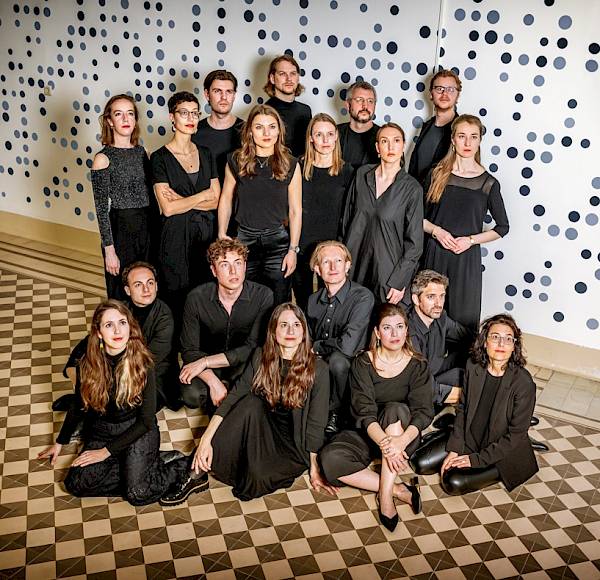
Aus dem Bewusstsein der Notwendigkeit, dem zeitgenössischen Schaffen vokaler Musik einen neuen Impuls zu verleihen, und dem Wunsch, das reiche Repertoire der Musik des Mittelalters, der Renaissance und des Frühbarocks erneut aufblühen zu lassen, haben engagierte Sänger:innen unter der Leitung von Cordula Bürgi das Ensemble Cantando Admont gegründet. Es setzt sich mit Begeisterung und grossem Engagement zum Ziel, den Reichtum des historischen vokalen Erbes im zeitgenössischen Schaffen wieder zu beleben. Cantando Admont hat es sich mit der eigenen Gesprächskonzertreihe «concert talk & solo cantando» zum Ziel gemacht, eine neue Konzerttradition zu etablieren. Das Ensemble tritt bei renommierten Festivals und Veranstaltern wie den Salzburger und Bayreuther Festspielen, dem Acht Brücken Festival Köln, bei Wien Modern, dem Steirischen Herbst, der Münchner Biennale, dem Concertgebouw Amsterdam, dem Musikverein Wien, der Deutschen Oper Berlin, dem Teatro Colón Buenos Aires, dem Konzerthaus Dortmund und dem Onassis Center Athen auf. 2023 war das Ensemble zum ersten Mal bei den Wiener Festwochen eingeladen und ist 2025 am Opernhaus Zürich zu Gast. Wesentlicher Bestandteil von Cantando Admont ist die regelmässige Zusammenarbeit mit Komponist:innen wie u.a. Beat Furrer, Youghi Pagh-Paan, Klaus Lang, Elisabeth Harnik, Peter Ablinger, Feliz Anne Reyes Macahis, Laure M. Hiendl und Marco Momi sowie mit Ensembles wie Klangforum Wien, Ensemble Kontrapunkte, Ensemble ARXIS, Ensemble dissonArt, Ensemble Nikel und Ictus Enemble.

Statistenverein am Opernhaus Zürich

Der Statistenverein am Opernhaus Zürich wurde im Jahr 1900 gegründet und dürfte damit einer der traditionsreichsten Vereine auf dem Kulturplatz Zürich sein. Rund hundert Frauen und Männer im Alter von 16 bis 70 Jahren bereichern das Bühnengeschehen in zahlreichen Inszenierungen.Statisten, früher auch als Figuranten bezeichnet, haben generell nicht sprechende Rollen. Ihre Einsätze am Opernhaus Zürich fallen je nach Inszenierung unterschiedlich umfangreich aus. Während früher Massenszenen im Vordergrund standen, sind die Statistinnen und Statisten seit der Ära Pereira und der Intendanz von Andreas Homoki zunehmend auch für aufwändigere Einzelauftritte sowie für anspruchsvolle technische Einsätze gefragt. Die Mitglieder des Statistenvereins üben ihre Einsätze in der Freizeit und ohne finanzielle Interessen aus. Sie bringen Begeisterung für Musik und Theater mit.

Manon24 / 27 Sept / 3 / 7 / 10 Oct 2025 La scala di seta25 / 28 Sept / 19 / 24 Oct 2025 Tosca28 Sept / 2 / 8 / 11 / 15 / 19 Oct 2025 / 11 / 14 / 17 / 21 / 24 Apr / 13 / 17 May 2027 Madama Butterfly30 Dec 2025 / 3 / 9 / 11 / 13 / 16 Jan 2026 Rigoletto20 / 23 / 27 Dec 2025 / 1 / 4 Jan 2026 Le nozze di Figaro24 / 29 Jan / 1 / 5 / 7 / 10 / 14 Feb 2026 / 2 / 6 / 8 / 15 / 19 May 2027 Werther14 / 19 Jun / 1 / 4 / 10 Jul 2026 Così fan tutte3 / 7 / 9 / 12 Jul 2026 Macbeth8 / 11 / 14 / 19 / 22 / 30 Nov 2025 Arabella14 / 18 / 22 / 25 / 28 Apr 2026 Der Rosenkavalier21 / 26 Sept / 1 / 5 / 14 / 17 / 21 / 26 Oct 2025 La clemenza di Tito26 / 29 Apr / 3 / 8 / 15 / 17 / 20 / 25 May 2026 Cardillac15 / 18 / 21 / 25 Feb / 1 / 6 / 10 Mar 2026 Hänsel und Gretel16 / 20 / 23 / 28 / 30 Nov / 2 / 4 / 11 / 16 / 18 / 21 Dec 2025 / 2 / 24 / 25 / 31 Jan 2026 Carmen18 / 21 / 23 / 27 / 31 Jan 2026 Un ballo in Maschera22 / 28 / 31 May / 7 / 13 Jun 2026 Die Fledermaus7 / 10 / 12 / 14 / 18 / 26 / 28 / 31 Dec 2025 / 2 / 4 / 6 / 10 Jan / 29 Sept / 8 / 17 / 23 / 25 Oct 2026 Giulio Cesare in Egitto11 / 13 / 15 / 17 / 21 / 25 / 28 Mar 2026 Scylla et Glaucus27 / 29 / 31 Mar / 2 / 6 / 30 Apr / 2 May 2026 La forza del destino2 / 7 / 12 / 15 / 18 / 21 / 26 / 29 Nov / 17 / 21 Dec 2025 Sillons de Mémoires5 / 6 / 7 Feb 2026 Gianni Schicchi2 / 6 / 8 / 10 / 13 May 2026 Monster's Paradise8 / 14 / 18 Mar / 10 / 12 Apr 2026 Alice im Wunderland8 / 15 / 19 / 21 / 26 / 28 Nov / 6 Dec 2026 / 2 / 7 / 8 / 10 / 17 Jan 2027 Manon Lescaut11 / 15 / 18 / 22 / 26 Dec 2026 Die lustige Witwe27 / 31 Dec 2026 / 3 / 7 / 10 / 13 Jan 2027 Die Walküre24 / 31 Jan / 3 / 6 Feb 2027 Roméo et Juliette12 / 19 / 21 Feb / 2 / 5 Mar 2027 La bohème16 / 18 / 23 Jun / 4 / 7 / 10 Jul 2027 Don Carlo1 / 6 / 8 / 11 Jul 2027 La fanciulla del west25 / 28 Feb / 3 / 7 Mar / 4 / 7 / 10 / 16 Apr 2027 Elektra22 / 26 Nov / 2 / 5 / 10 / 13 / 16 Dec 2026 Rinaldo14 / 19 / 23 / 25 / 27 / 29 Mar 2027 Samson et Dalila13 / 17 / 20 / 24 / 27 / 30 Jun / 2 / 9 Jul 2027 Tannhäuser26 Sept / 4 / 9 / 13 Oct 2026

Abstract

In his operas, the composer Beat Furrer, who was born in Schaffhausen and lives in Austria, likes to explore the extreme and terminal points of human existence. Spheres of existential exposure, desolation and proximity to death are always the starting points for his musico-dramatic explorations. His most recent opera, Das grosse Feuer, which is being premiered as a commission by the Opernhaus Zürich, takes us into the cosmos of an indigenous tribe in South America whose territory has been destroyed by colonization and Christian missionary work. At the center of the story is the leader and shaman Eisejuaz, a man with clairvoyant abilities who is miserably destroyed by modern civilization, which has advanced into the rainforest with devastating force. Eisejuaz stands between the cultures that determine his life: On the one hand, he is deeply rooted in the animistic spirituality of his indigenous community. He hears the voices of the wood in the sawmill where he works and has contact with supernatural animal spirits. At the same time, he is influenced by the Christian missionaries in whose station he grew up. A «voice of the Lord» tells him to save a human life. He transfers this mission of unconditional charity onto an obnoxious, racist white man named Pacqui, whom he cares for until he is betrayed in the most shameful way. Like the figure of Job, Eisejuaz loses everything – his wife, his home, his self-determined existence, his cultural orientation and ultimately his life.
The story of Beat Furrer's new opera, for which the Austrian writer Thomas Stangl wrote the libretto, is based on a novel published in 1971 by the Argentinian writer Sara Gallardo, who met a shaman called Eisejuaz while researching the living conditions of the indigenous Wichi tribe in northern Argentina. Das grosse Feuer is Furrer’s first large choral opera. For the world premiere production, the Opernhaus Zürich has engaged the Austrian choir Cantando Admont, a prestigious independent ensemble that specializes in contemporary choral works. Tatjana Gürbaca, who became one of the most important directors in Zurich under Andreas Homoki, is responsible for the production. The composer himself will conduct the world premiere.

Read more Show less